
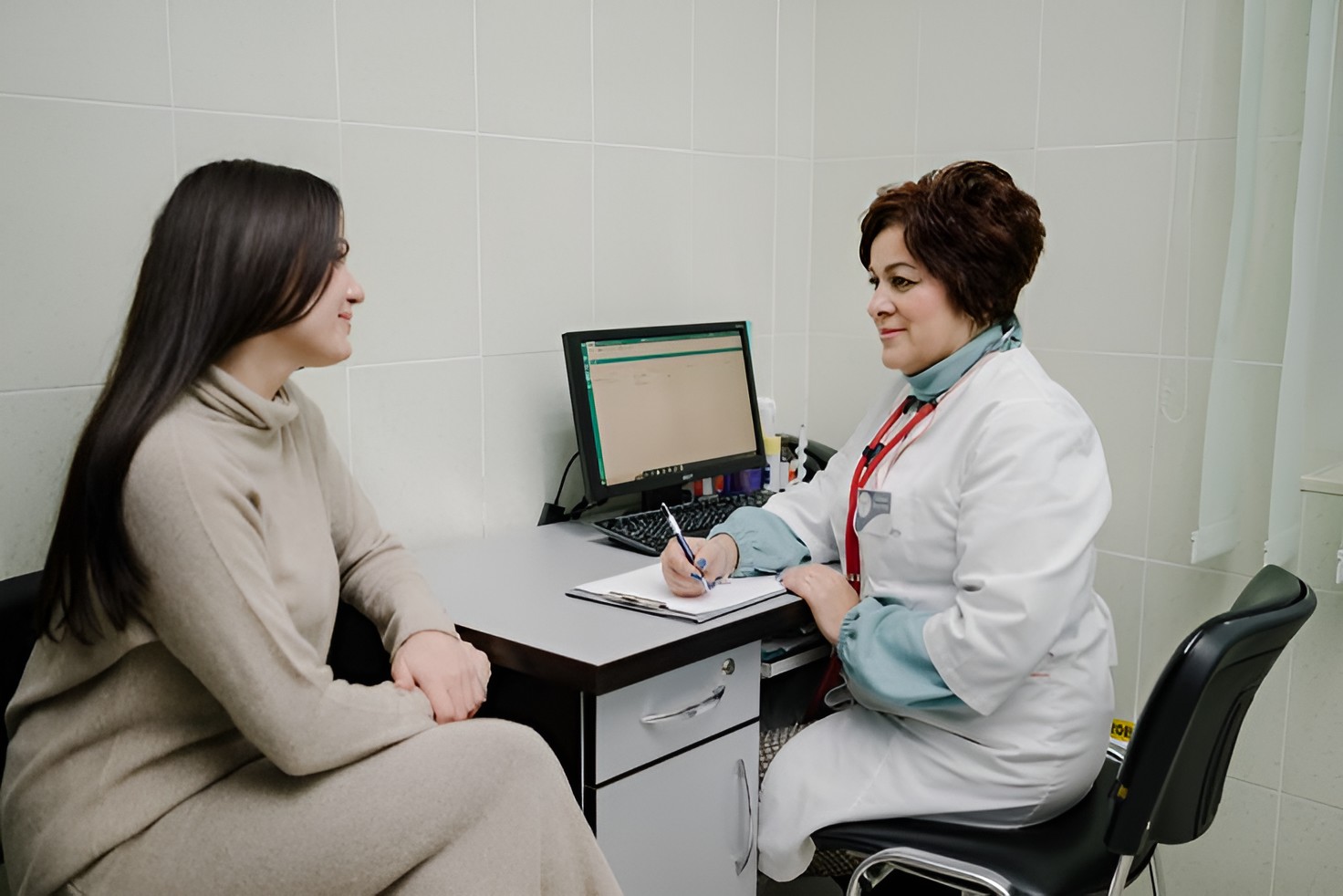
Quick Answer: A second trimester abortion is an in-clinic procedure, usually a dilation and evacuation (D&E), not a pill. Abortion medication online is only safe in early pregnancy, up to about 10–11 weeks, so abortion at 15 weeks needs in-person care. An ultrasound confirms your timeline and decides your options.
Finding out you need care later in pregnancy can feel urgent and confusing, especially when search results mix early and late options together. This guide explains how a second trimester abortion works, why abortion medication online doesn’t apply at this stage, and what to expect with abortion at 15 weeks, so you can plan with clear facts instead of guesswork.
1. Why Timing Changes Everything
The second trimester runs from roughly 14 to 26 weeks. By this point the pregnancy is more developed, and that changes which methods are safe and how much preparation is needed.
What Your Provider Checks First
- Gestational age, confirmed by ultrasound
- Your medical history and any current medications
- Lab work, when needed, to plan your care safely
2. Abortion Medication Online: Where It Fits (and Where It Doesn’t)
Telehealth medication abortion uses two drugs, mifepristone and misoprostol, and is designed for early pregnancy only. Legitimate services confirm gestational age before prescribing anything.
A Practical Warning
If a website offers to ship pills without asking how far along you are, treat that as a red flag. Using medication past its safe window raises the risk of incomplete abortion, heavy bleeding, and a missed ectopic pregnancy. Once you are in the second trimester, an in-clinic procedure is the appropriate option.
3. What Abortion at 15 Weeks Involves
At 15 weeks, care is performed in a clinic by a provider trained in later-stage procedures. The method is typically dilation and evacuation, and it follows a more structured process than early care.
Example of a Typical Timeline
- Visit one: consultation, ultrasound, and labs
- Preparation: the cervix is gently prepared, sometimes over more than one visit
- Procedure day: the D&E itself, with comfort or sedation options
- Afterward: recovery in the clinic and written aftercare instructions
Early Pregnancy vs. Abortion at 15 Weeks at a Glance
| Factor | Early Pregnancy (to ~10–11 weeks) | Second Trimester Abortion (15 weeks) |
| Abortion medication online | Often available after gestational age is confirmed | Not appropriate |
| Method | Pills or a short in-clinic procedure | In-clinic D&E |
| Preparation | Minimal | Cervical preparation, often over one or more visits |
| Number of visits | Often one | Often more than one |
| Evaluation | Health history and ultrasound | Labs, detailed ultrasound, full consultation |
| Comfort options | Usually no sedation needed with pills | Sedation or comfort options discussed in advance |
| Where care happens | Can start by telehealth | In-person clinic only |
| Provider availability | More widely available | Fewer specialized providers |
4. Benefits of Choosing Specialized In-Clinic Care
Later-stage care works best with a team that does it regularly. The benefits are practical, not abstract.
Why Experience Matters
- Providers trained specifically in second trimester procedures
- Pain management options discussed before the day of care
- Immediate access to medical support if you have questions
- A clear follow-up plan, rather than managing recovery alone
5. Virginia’s Rules Can Make Planning Easier

Virginia allows legal abortion care later in pregnancy than many other states and has no mandatory waiting period between your consultation and treatment. For patients who are already short on time, that can mean fewer scheduling delays and less travel.
Practical Tips for Booking
- Call early and ask about same-week availability
- Bring photo ID and a list of current medications
- Write your questions down so nothing is forgotten in the moment
- Ask about cost and payment options before your visit
6. Preparing for the Day of Your Procedure
A little planning lowers stress. Arrange a ride home if sedation is planned, wear comfortable clothing, and set aside the rest of the day to recover. Many patients find it helps to have a trusted friend or family member waiting for them.
A Simple Checklist
- Eat and drink according to the instructions your clinic gives you, since sedation can change the rules
- Pack a water bottle, snacks for afterward, and any comfort items you like
- Clear your schedule for at least 24 hours so you can rest without pressure
- Keep the clinic’s phone number saved in case a question comes up later
Planning for the practical details also leaves more room to focus on how you feel, which matters just as much as the medical side.
7. Recovery and Aftercare
Most patients recover without complications, but knowing what’s normal helps you stay calm. Light bleeding and cramping are common for a few days, and many people feel tired for a little longer. Emotions vary too. Relief, sadness, or a mix of both are all normal, and talking with someone you trust, or with your clinic’s counselor, can help.
Why Follow-Up Matters
A follow-up check confirms you are healing well and gives you a chance to ask questions you didn’t think of earlier. It’s also a good time to talk about birth control if you want to, so you can plan your next steps on your own terms.
When to Call Your Provider
- Bleeding that soaks through two pads an hour for several hours
- Fever or chills
- Severe pain that doesn’t ease with the recommended medication
Final Thoughts
Later-stage care doesn’t have to feel overwhelming when you know what to expect. A second trimester abortion is a specialized, in-clinic procedure, abortion medication online isn’t a safe substitute at this stage, and abortion at 15 weeks is best handled by an experienced team that explains every step.
If you’re ready for clear answers, schedule a confidential consultation with Virginia Women’s Wellness today and get judgment-free guidance on the option that fits your situation.
Frequently Asked Questions
1. What is a second trimester abortion?
It is an abortion performed after the first trimester, generally from around 14 weeks, usually through an in-clinic dilation and evacuation procedure.
2. Can I use abortion medication online for a second trimester abortion?
No. Medication abortion is intended for early pregnancy only. Second trimester care requires an in-person clinical procedure.
3. How is abortion at 15 weeks different from earlier care?
It involves cervical preparation, a more detailed evaluation, and an in-clinic D&E rather than pills, and it may take more than one visit.
4. Does Virginia require a waiting period?
No. Virginia has no mandatory waiting period between your consultation and treatment.
5. How do I know how far along I am?
An ultrasound is the most reliable way to confirm gestational age, and your provider will do one at your first visit.